


-

Add: HeBei ShengShi HongBang Cellulose Technology CO.,LTD.
-

Email
13180486930@163.com -

CONTACT US
+86 13180486930
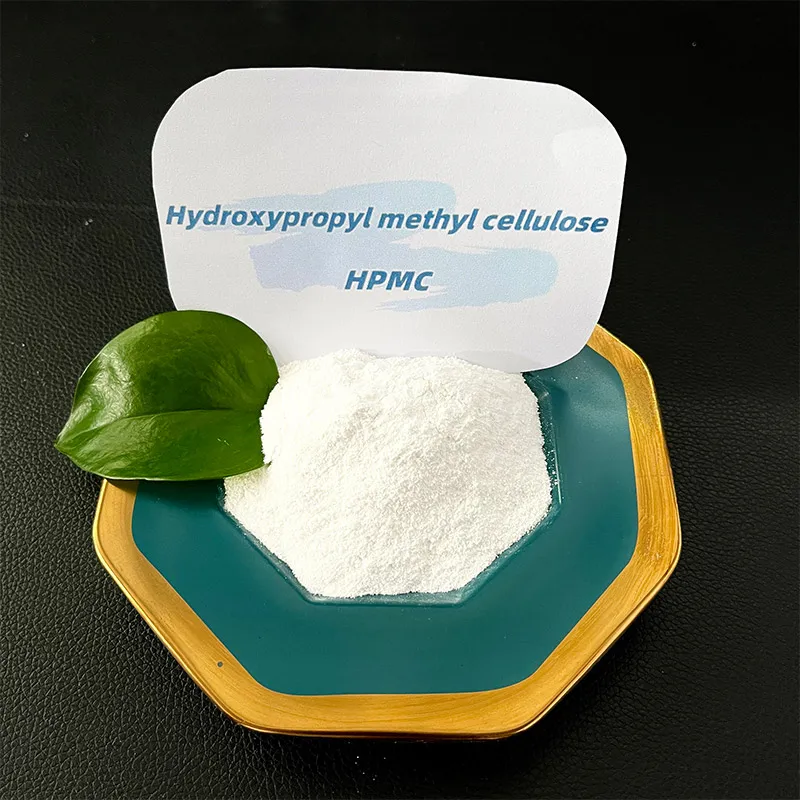




In the realm of pharmaceuticals, HPMC stands for Hydroxypropyl Methylcellulose, a compound indispensable to the formulation processes within the industry. Renowned for its multifaceted applications, HPMC is primarily utilized as an excipient — a substance formulated alongside the active ingredient of a medication. Its role extends beyond mere filler, showcasing an impressive array of functionalities that facilitate product development, ensure quality, and enhance therapeutic effectiveness. Born from cellulose, the most abundant organic polymer on Earth, HPMC emerges through a sophisticated chemical modification process. This modification bestows upon it unique properties such as water solubility, high viscosity, and a non-toxic nature. These characteristics make HPMC a critical ingredient in a diverse array of pharmaceutical products, from tablets and capsules to ophthalmic solutions and topical applications. One of the key benefits of HPMC in tablet formulation is its function as a disintegrant. In the human body, tablets must break down into smaller particles to assure the bioavailability of the drug. HPMC facilitates this process . It swells upon contact with water, helping the tablet to disintegrate promptly, speeding up the release and absorption of the active pharmaceutical ingredient (API). This efficiency enhances the drug’s effectiveness and reliability, a crucial factor in patient satisfaction and trust in pharmaceutical products. Additionally, HPMC acts as a controlled-release agent. In sustained release formulations, HPMC matrices regulate the rate at which the API is dispensed into the system, providing a consistent therapeutic effect over an extended period. This not only maximizes the efficacy of the medication but also improves patient compliance by reducing the frequency of doses required per day. In capsule production, HPMC is celebrated as a vegan alternative to gelatin. Increasingly, consumers are demanding plant-based options in their medicinal products, and HPMC serves this niche perfectly. It forms the backbone of non-animal-based capsules, ensuring that users adhering to vegan lifestyles or with dietary restrictions have access to safe and compliant pharmaceutical options. hpmc full form in pharma Beyond oral medications, HPMC's significance extends to topical pharmaceuticals. Its thickening and stabilizing attributes are particularly beneficial in creams and gels, ensuring the even distribution of the active substances across the applied surface area. In eye drops, HPMC's mucoadhesive properties prolong the retention time of the drops on the ocular surface, maximizing therapeutic contact time and enhancing patient comfort. Backed by comprehensive testing and approval from health regulatory bodies worldwide, HPMC is acknowledged as a safe and effective compound. Preclinical trials consistently affirm its biocompatibility and non-toxic nature, key attributes that bolster its standing as a preferred excipient in the pharmaceutical industry. Industry experts consistently highlight HPMC's versatility and reliability. Dr. Elaine Baxter, a leading pharmaceutical scientist, notes, The adaptability of HPMC in responding to varied formulation needs is unparalleled. It allows for innovation in drug delivery systems, paving the way for more personalized and effective therapies. As the pharmaceutical landscape evolves towards personalized medicine, the importance of excipients like HPMC is amplified. It plays a crucial role not only in the development of current oral, ophthalmic, and topical therapies but also blazes the trail for future innovations in drug delivery technologies. Researchers are actively exploring its potential in developing nanoparticles and 3D-printed medications, which could revolutionize how we perceive and administer treatments. In conclusion, HPMC's full form — Hydroxypropyl Methylcellulose — signifies much more than its name suggests. It embodies innovation in pharmaceutical formulation, providing expertise and reliability that underscore the efficacy and safety of countless medicinal products. Its diverse applications furnish the pharmaceutical industry with a tool that enhances product development, meets evolving consumer demands, and ultimately, manifests in therapeutic trustworthiness and authority.
- 40000tons

Production
- 20+years

Experience
- 5000+㎡

Acreage

-
How to Make HPMC Gel A Step-by-Step Guide Hydroxypropyl methylcellulose (HPMC) is a versatile polymer widely used in various applications, including pharmaceuticals, cosmetics, and food products. One of the most common uses of HPMC is to create gels, which can serve as thickening agents, stabilizers, or film-forming agents. In this article, we will provide a detailed guide on how to make HPMC gel, ensuring that you have all the information you need to successfully create your own gel. Materials Needed Before getting started, it’s essential to gather all the materials you will need 1. HPMC Powder Available in various grades, choose one that fits your intended application. 2. Distilled Water Using distilled water ensures that no impurities interfere with the gel formation. 3. Heating Source A hot plate or stovetop for heating the water. 4. Beaker or Container For mixing the ingredients. 5. Stirring Tool A whisk or a magnetic stirrer for thorough mixing. 6. pH Meter or Strips Optional but useful for adjusting the pH if necessary. 7. Preservatives (Optional) If you intend to store the gel for an extended period, consider adding a preservative. Step-by-Step Instructions Step 1 Prepare the Water Start by measuring the amount of distilled water you will need. The quantity of water will depend on the desired concentration of the HPMC gel. Typically, a concentration of 1-3% HPMC is used, but you can adjust it according to your requirements. Pour the measured water into a beaker or container. Step 2 Heat the Water Gently heat the distilled water using your heating source. The temperature should be around 60-70°C (140-158°F), which helps dissolve the HPMC more effectively. Do not bring the water to a boil, as excessive heat might degrade the polymer. Step 3 Mix HPMC with Water how to make hpmc gel Slowly add the HPMC powder to the heated water while continuously stirring. It’s crucial to sprinkle the HPMC powder evenly to prevent clumping. Use a whisk or a magnetic stirrer to create a homogeneous mixture. Continue stirring until the powder is fully dissolved, and the mixture becomes viscous. Step 4 Allow to Cool and Thicken Once the HPMC is fully dissolved, remove the beaker from the heat source and allow the solution to cool. As it cools, the gel will thicken further. This process may take some time, so be patient. You can stir occasionally to ensure even thickening. Step 5 Adjust pH (Optional) If necessary, check the pH of the gel using a pH meter or strips. HPMC gels typically perform best at a neutral pH (around 7). If you find that the pH is too high or low, you can adjust it by adding small amounts of citric acid (to lower pH) or sodium hydroxide (to raise pH). Stir well after each adjustment. Step 6 Add Preservatives (If Needed) If you plan to store the HPMC gel for an extended period, consider adding a preservative to prevent microbial growth. Follow the manufacturer's instructions regarding the appropriate type and quantity of preservative to use. Step 7 Store the Gel Properly Transfer the HPMC gel into an airtight container. Store it in a cool, dry place away from direct sunlight. If stored correctly, HPMC gel can last for several months. Conclusion Creating HPMC gel at home is a straightforward process that involves heating water, dissolving the HPMC powder, and allowing it to cool and thicken. With just a few ingredients and some patience, you can produce a high-quality gel suitable for various applications. Whether you are a hobbyist or a professional, understanding how to make HPMC gel can be a useful skill in your toolkit. Enjoy experimenting with your gel, and don’t hesitate to adjust the formulation to meet your specific needs!
-
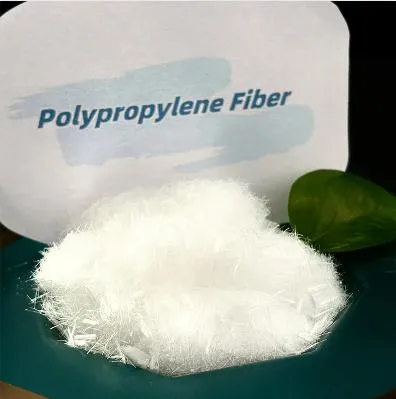
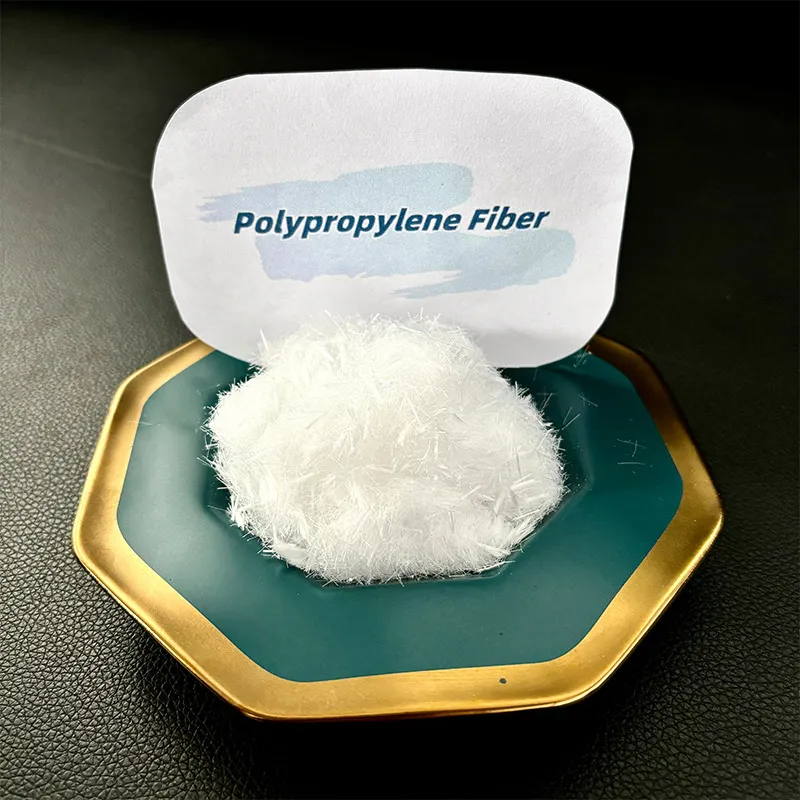
Polypropylene Fibers for Sale An Overview In the world of textiles and materials, polypropylene fibers have gained significant attention due to their unique properties and wide-ranging applications. As industries evolve and demand for specialized materials grows, polypropylene fibers have emerged as a versatile option, appealing to manufacturers and consumers alike. This article will explore the characteristics, benefits, and various applications of polypropylene fibers, highlighting why they are increasingly becoming a preferred choice in many sectors. What are Polypropylene Fibers? Polypropylene fibers are synthetic fibers made from the polymer polypropylene (PP), a type of thermoplastic. This polymer is created through the polymerization process of propylene monomers. Polypropylene fibers are known for their resilience, lightweight nature, and ability to resist moisture. Because they are resistant to degradation by water and many chemicals, polypropylene fibers offer an innovative solution for numerous applications across different industries. Key Characteristics of Polypropylene Fibers 1. Durability One of the standout features of polypropylene fibers is their strength and durability. They can withstand wear and tear, making them suitable for use in heavily trafficked areas or rugged environments. 2. Moisture Resistance Unlike natural fibers, polypropylene does not absorb water. This characteristic makes it ideal for applications that require moisture management, such as outdoor furniture and automotive interiors. 3. Chemical Resistance Polypropylene fibers are resistant to a wide range of chemicals, making them suitable for industrial applications where exposure to corrosive substances is a concern. 4. Lightweight Polypropylene is one of the lightest synthetic fibers available, which can significantly reduce transportation costs and improve the ease of handling the material in various applications. 5. UV Resistance Many polypropylene fibers are treated to be UV resistant, enhancing their longevity when used in outdoor applications. . Applications of Polypropylene Fibers ألياف البولي بروبلين للبيع Polypropylene fibers are used in a wide array of applications, spanning multiple industries. Here are some prominent uses 1. Textiles and Carpets One of the most common applications for polypropylene fibers is in the production of carpets and rugs. Their durability and moisture resistance make them ideal for residential and commercial carpeting. 2. Geotextiles In the construction industry, polypropylene fibers are used in geotextiles to provide soil stabilization, erosion control, and drainage. Their resistance to chemicals and durability make them invaluable in this field. 3. Automotive Interiors The automotive industry employs polypropylene fibers due to their lightweight nature, resistance to moisture, and ease of maintenance. They are commonly used in vehicle upholstery, carpets, and interior panels. 4. Medical Applications Polypropylene fibers are used in various medical textiles, such as surgical sutures and drapes, due to their biocompatibility and resistance to moisture and bacteria. 5. Consumer Products From outdoor furniture to industrial filters, polypropylene fibers are used in a vast range of consumer goods, making them a staple in household and commercial products. Benefits of Investing in Polypropylene Fibers Investing in polypropylene fibers can be advantageous for manufacturers and consumers alike. For manufacturers, the cost-effectiveness and versatile applications of polypropylene allow for innovation and the development of high-quality products that meet consumer demands. For consumers, the durability and low maintenance requirements of polypropylene products generally translate to long-lasting value. Moreover, as environmental concerns grow, many manufacturers are focusing on the recyclability of polypropylene fibers. Efforts are being made to enhance the sustainability of production processes and newer developments are paving the way for eco-friendly polypropylene options. Conclusion As the demand for versatile and durable materials continues to rise, polypropylene fibers stand out as a superior option across various industries. With their unique properties and diverse applications, they are a valuable resource for manufacturers looking to meet market needs effectively. Investors and businesses interested in high-quality materials would do well to consider polypropylene fibers, as they not only offer practicality but also long-term value in an ever-evolving market.
advantages
-

200000 Viscosities
Excellent product
We can produce pure products up to 200,000 viscosities
-

40000 tons
High yield
We don’t stop production all year round, and the annual output can reach 40,000 tons
-

24 hours
Quality service
We provide 24-hours online reception service, welcome to consult at any time
———— Inquiry Form
Schedule A services

-
 hpmc_manufacturing_process
Oct . 25, 2025
Hydroxypropyl methylcellulose 2208 , a highly versatile compound, stands at the forefront of numerou -
 powder_rubber
Oct . 25, 2025
When it comes to pharmaceutical excipients, one of the highly essential components is Hypromellose, - buy_hydroxypropyl_methylcellulose
Oct . 25, 2025
The Versatility of Fiber An Insight into Polyester and Polypropylene In today's world, the significa


